
By Dr. Vishal Sahni, Shoulder Specialist, London Orthopedic Clinic, Nagpur
Shoulder pain can slowly creep into your life, making even simple activities like dressing, eating, or sleeping difficult. While medicines, physiotherapy, and injections can help in the early stages, sometimes these treatments are not enough.
In such cases, shoulder replacement surgery can restore comfort, mobility, and independence.
Let’s explore in detail when you should seriously consider a shoulder replacement.
What is Shoulder Replacement?
Shoulder replacement, medically known as shoulder arthroplasty, is a procedure where the damaged parts of the shoulder joint are replaced with artificial implants.
The aim is to relieve pain, restore function, and improve overall shoulder strength.
There are mainly three types:
- Total Shoulder Replacement: Replacing both ball and socket.
- Partial Shoulder Replacement: Only replacing the ball (humeral head).
- Reverse Shoulder Replacement: Special procedure for people with damaged rotator cuffs.
Dr. Vishal Sahni, a highly trusted Shoulder Replacement Surgeon in Nagpur, ensures that patients receive personalised care with excellent outcomes.
When Should You Consider a Shoulder Replacement?
Here are the signs explained in detail:
1. Severe Shoulder Pain
Pain is the body’s way of telling you something is wrong.
If you are experiencing:
- Pain even while resting
- Night-time shoulder pain disturbing your sleep
- Difficulty performing routine activities like combing hair, lifting light objects, or reaching behind your back
It could indicate serious joint damage.
When painkillers, physiotherapy, or minor procedures no longer provide relief, it’s time to think about shoulder replacement.
2. Stiffness and Loss of Motion
A healthy shoulder allows a wide range of motion.
If you notice:
- Difficulty lifting your arm above shoulder level
- Inability to rotate your arm
- A sensation of “frozen shoulder”
despite undergoing physiotherapy and medications, then the joint might be too worn out.
Severe stiffness not only limits function but can also worsen the damage over time, making early surgical intervention important.
3. Shoulder Arthritis
Arthritis is the wearing away of the smooth cartilage that cushions your joints.
Common types of arthritis affecting the shoulder include:
- Osteoarthritis: Due to ageing and wear-and-tear
- Rheumatoid Arthritis: An autoimmune disease
- Post-Traumatic Arthritis: After fractures or injuries
Arthritis can cause:
- Grinding noises during movement
- Visible swelling and deformity
- Chronic, deep-seated shoulder pain
X-rays may show a reduced joint space, bone-on-bone contact, or bone spurs, all strong indicators for replacement.
4. Rotator Cuff Tear Arthropathy
The rotator cuff is a group of muscles and tendons that stabilize the shoulder.
When a massive, irreparable tear occurs, it can destabilize the shoulder, leading to:
- Severe weakness
- Loss of shoulder height
- Shoulder arthritis
In such cases, a Reverse Shoulder Replacement offers the best solution by using different muscles to move the shoulder effectively.
5. Failed Previous Treatments
Before considering surgery, patients usually go through:
- Pain medications
- Corticosteroid injections
- Platelet-Rich Plasma (PRP) therapy
- Arthroscopic surgeries
However, if:
- Pain keeps returning
- Movement is getting worse
- Shoulder function continues to decline
then shoulder replacement becomes a safe and reliable long-term solution.
Benefits of Shoulder Replacement Surgery
A successful shoulder replacement can truly transform lives.
Key benefits include:
- Pain relief: The number one reason patients seek surgery
- Restored mobility: Regain the ability to lift, reach, and rotate the arm
- Improved strength: Return to light sports, cooking, driving
- Better sleep: No more night-time throbbing pain
- Enhanced quality of life: Live independently and confidently
Modern implants can last 15–20 years with proper care, making it a long-lasting solution.
Recovery After Shoulder Replacement
Recovery plays a vital role in the success of shoulder replacement.
Here’s what to expect:
- Hospital stay: 1–2 days post-surgery
- Sling support: Needed for about 3–6 weeks
- Start of physiotherapy: Gentle exercises from week 1
- Strength training: After 6 weeks under supervision
- Full recovery: Usually between 3–6 months
- Return to activities: Light activities within 3 months; heavier tasks after 6 months
With Dr. Vishal Sahni’s advanced surgical techniques and post-operative care programs, patients often experience faster and smoother recoveries.
Why Choose Dr. Vishal Sahni at London Orthopedic Clinic, Nagpur?
Choosing the right surgeon makes all the difference.
Here’s why patients trust Dr. Vishal Sahni:
- Over 24 years of experience in India and London
- Expertise in complex shoulder surgeries like Shoulder Replacement, Shoulder Dislocation repairs, and Rotator Cuff Repairs
- Advanced minimally invasive surgical techniques
- Personalised treatment plans tailored to your needs
- Compassionate pre and post-operative care
- One of the top-rated Shoulder Specialists in Nagpur
- Thousands of satisfied patients from Nagpur and Maharashtra
When looking for a trusted Orthopedic Doctor in Nagpur or Shoulder Surgeon near me, Dr. Vishal Sahni is the name you can rely on.
FAQs About Shoulder Replacement Surgery
1. What are the symptoms that indicate the need for a shoulder replacement?
Severe shoulder pain, restricted movement, night pain, and joint stiffness that does not improve with treatment indicate the need.
2. How do I know if my shoulder arthritis is severe enough for surgery?
If you have constant pain, reduced joint space on X-ray, and poor arm function despite medicines, surgery may be advised.
3. Can stiffness alone be a reason for shoulder replacement?
Yes, especially if the stiffness affects daily activities and persists despite therapy.
4. Does a rotator cuff tear require shoulder replacement?
Large, irreparable rotator cuff tears causing arthritis and weakness may require a reverse shoulder replacement.
5. How long does a shoulder replacement last?
Typically, a shoulder implant can last 15–20 years with proper care.
6. What is reverse shoulder replacement?
It is a special procedure where the ball and socket are switched to compensate for damaged rotator cuffs.
7. Will I regain full motion after shoulder replacement?
You will regain significant but not 100% motion; most patients are highly satisfied with the results.
8. How soon can I return to work after shoulder replacement?
Desk jobs: 4–6 weeks; Physical jobs: 3–6 months.
9. Can a younger person undergo shoulder replacement?
Yes, but surgeons aim to delay it if possible; implants last about 15–20 years.
10. Is the surgery painful?
Surgery is done under anesthesia. Pain after surgery is managed with medicines and nerve blocks.
11. What risks are associated with shoulder replacement?
Risks are low but include infection, stiffness, nerve injury, or implant wear over time.
12. Will I need another surgery in the future?
Most implants last decades, but younger patients might need revision surgery later.
13. Can shoulder replacement fix all shoulder problems?
It fixes arthritis-related and rotator cuff-related joint damage but may not help nerve injuries.
14. How is recovery different for reverse shoulder replacement?
It usually requires a slightly longer physiotherapy period compared to standard replacement.
15. What exercises should I avoid after shoulder replacement?
Heavy lifting, push-ups, or contact sports should be avoided to protect the implant.
16. How soon can I drive after shoulder replacement?
Usually, after 6–8 weeks, depending on your comfort and surgeon’s advice.
17. Will I need physiotherapy after surgery?
Yes, physiotherapy is crucial to regain strength, flexibility, and function.
18. What if I delay shoulder replacement for too long?
Delaying surgery can cause worsening deformity, severe stiffness, and weaker results post-surgery.
19. Can diabetes or other health conditions affect shoulder replacement?
Yes, conditions like diabetes need to be well-controlled to ensure proper healing and lower infection risk.
20. Is shoulder replacement surgery successful in India?
Yes, with modern techniques and experienced surgeons like Dr. Vishal Sahni, shoulder replacement success rates in India are very high.

A dislocated shoulder can be extremely painful and frightening. It usually happens when the upper arm bone comes out of the shoulder socket following a fall, accident, sports injury or
Arm pain with weakness can make simple activities such as lifting a bag, combing your hair, dressing, reaching overhead or playing sports difficult. While many people assume the problem is
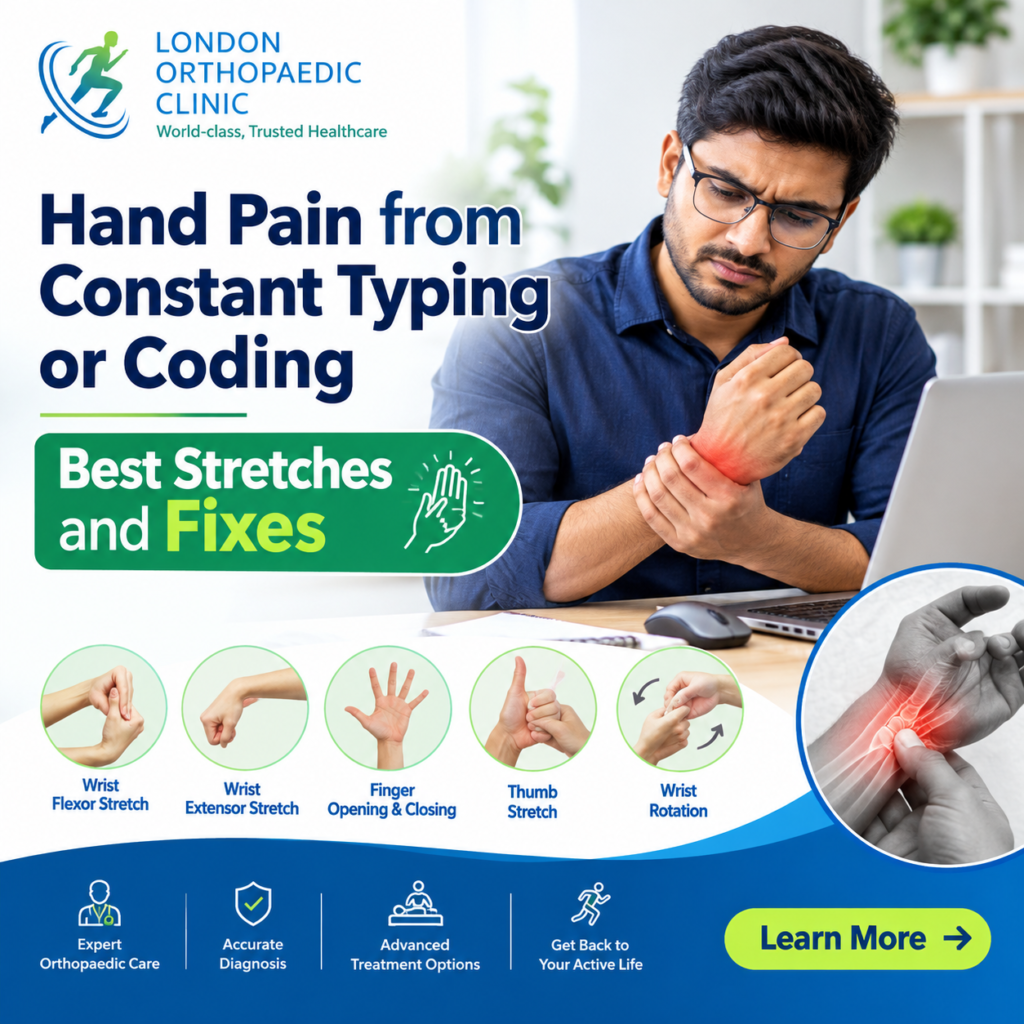
If you spend several hours every day typing, coding, using a mouse, designing, writing emails or working on a computer, you may gradually notice hand pain, wrist pain, finger stiffness
Elbow pain can make simple daily activities difficult. You may experience pain while lifting a bag, using a computer, playing sports, turning a door handle, or even straightening your arm.
Shoulder pain is a common problem that can affect people of different ages. You may experience pain while lifting your arm, sleeping on one side, wearing clothes, reaching overhead, or
A sudden fall can happen anywhere—at home, in the bathroom, on a wet road, while playing sports or simply while walking. In most cases, people naturally stretch out their hand
If you are searching on Google, “Where can I get treatment for elbow pain near me in Nagpur?”, you are probably experiencing pain that is affecting your daily life. Maybe
Shoulder pain is troubling, but what happens when your shoulder becomes so stiff that you cannot comb your hair, wear a shirt comfortably or reach behind your back? For many

You are playing cricket, badminton, football, tennis or working out at the gym when suddenly you feel pain. Maybe you twist your wrist, pull a shoulder muscle, hurt your elbow

Your elbow looks like a simple joint. But every time you bend your arm, straighten it, lift a bag, use a computer mouse, play sport or even turn a door