
Monsoon Joint Pain: Can Your Diet Really Help?
The rainy season brings cool weather, fresh greenery, and relief from the summer heat. However, for many people, it also brings an increase in joint pain, stiffness, swelling, and reduced mobility. Patients with arthritis, old injuries, frozen shoulder, tennis elbow, wrist pain, or sports injuries often notice that their symptoms become worse during monsoon.
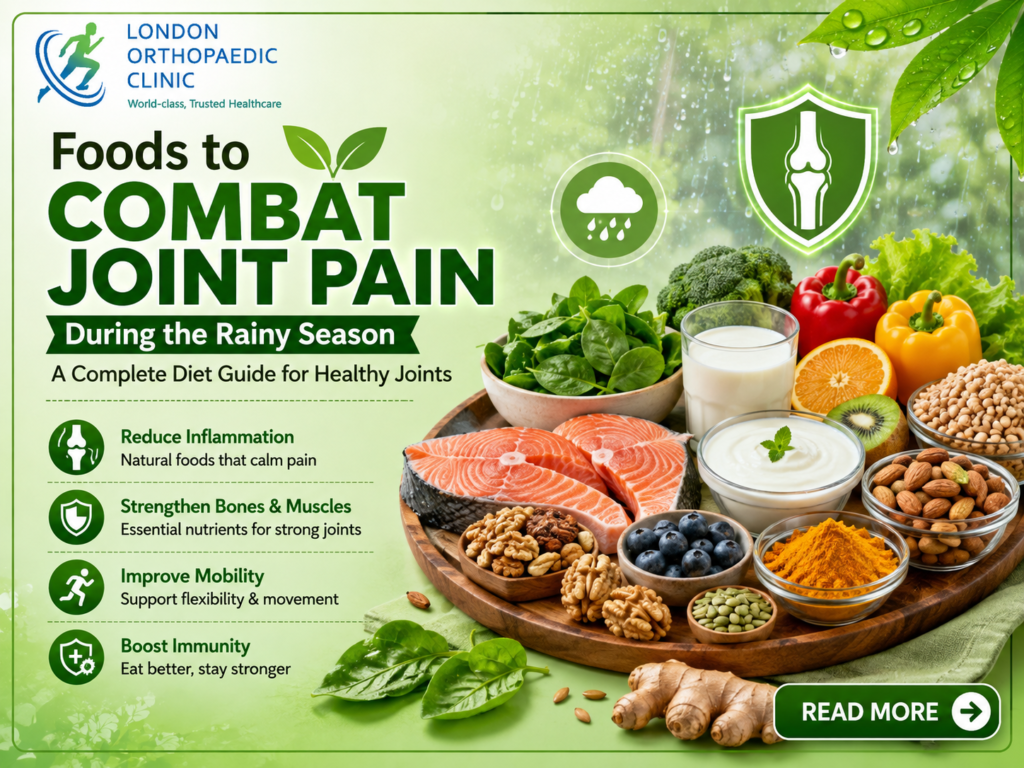
Many people ask:
“Can the food I eat reduce joint pain?”
The answer is yes—to some extent. While diet cannot cure joint diseases, eating the right foods can help reduce inflammation, improve bone strength, support muscles, and promote healthy joints. Combined with proper medical treatment, physiotherapy, and an active lifestyle, a balanced diet can play an important role in joint health.
At London Orthopaedic Clinic, Nagpur, Dr. Vishal Sahni (MBBS, MS ORTHO, FRCS ORTHO London, MCh ORTHO Liverpool) regularly advises patients that good nutrition is an essential part of recovery from orthopedic conditions. Whether you are recovering from surgery, managing arthritis, or seeking shoulder pain treatment Nagpur, healthy eating supports faster healing and better long-term results.
This guide explains which foods are beneficial during the rainy season and why they matter for your joints.
Why Does Joint Pain Increase During the Rainy Season?
Although scientists are still studying the exact reason, several factors may contribute:
- Changes in atmospheric pressure
- Cold and damp weather
- Reduced physical activity
- Muscle stiffness
- Existing arthritis becoming more noticeable
- Less sunlight leading to lower Vitamin D production
People suffering from shoulder arthritis, frozen shoulder, elbow pain, wrist pain, or previous fractures often report increased discomfort during monsoon.
If pain becomes persistent, it is important to consult a best orthopedic doctor in Nagpur rather than relying only on home remedies.

Can Food Reduce Joint Pain?
Diet cannot replace medical treatment, but it can:
- Reduce inflammation
- Strengthen bones
- Improve muscle recovery
- Support cartilage health
- Help maintain a healthy body weight
- Improve immunity
- Reduce stress on painful joints
Healthy eating works best when combined with expert orthopedic care, regular exercise, and adequate sleep.
Best Foods to Combat Joint Pain During the Rainy Season
1. Fatty Fish Rich in Omega-3
Fish such as salmon, sardines, tuna, and mackerel contain Omega-3 fatty acids.
Omega-3 helps reduce inflammation inside joints and may decrease stiffness experienced during rainy weather.
Benefits include:
- Reduced joint inflammation
- Better mobility
- Improved recovery after injuries
- Heart health benefits
People recovering from arthroscopic shoulder surgery Nagpur or sports injuries may benefit from a balanced diet that includes Omega-3-rich foods after consulting their doctor.
2. Turmeric – India’s Natural Anti-Inflammatory Spice
Turmeric contains curcumin, a compound known for its anti-inflammatory properties.
Including turmeric in:
- Milk
- Dal
- Vegetable curries
- Soups
may help support overall joint health.
For better absorption, turmeric is often combined with black pepper.
Remember, turmeric supports health but does not replace treatment for conditions like rotator cuff tears, frozen shoulder, or shoulder arthritis.
3. Green Leafy Vegetables
Spinach, fenugreek leaves, amaranth, and other leafy vegetables provide:
- Calcium
- Vitamin K
- Magnesium
- Iron
- Antioxidants
These nutrients help maintain healthy bones and muscles.
Strong bones provide better support to joints, especially in older adults
4. Fresh Fruits Rich in Vitamin C
Vitamin C helps the body produce collagen.
Collagen is an important component of:
- Cartilage
- Tendons
- Ligaments
Include:
- Oranges
- Sweet lime
- Guava
- Kiwi
- Papaya
- Amla
These fruits also strengthen immunity during monsoon.
5. Nuts and Seeds
Almonds, walnuts, flaxseeds, pumpkin seeds, and chia seeds provide:
- Healthy fats
- Vitamin E
- Magnesium
- Zinc
These nutrients help reduce inflammation and support healthy muscles.
A handful of mixed nuts each day can be a healthy snack.
6. Milk and Dairy Products
Milk, curd, and paneer provide calcium and protein.
Healthy bones reduce the risk of fractures and support joint function.
People who are lactose intolerant can discuss alternative calcium sources with their doctor.
7. Protein-Rich Foods
Muscles protect joints.
Good protein sources include:
- Eggs
- Dal
- Chickpeas
- Rajma
- Soy products
- Chicken
- Fish
Protein becomes especially important after orthopedic surgery or sports injuries.
Patients recovering from shoulder replacement surgery Nagpur or ligament repair should ensure adequate protein intake under medical guidance.
8. Ginger
Ginger has traditionally been used to reduce pain and inflammation.
It can be consumed as:
- Ginger tea
- Fresh ginger in vegetables
- Soups
Although not a medicine, it may help improve comfort during rainy weather.
9. Plenty of Water
Many people drink less water during monsoon.
Dehydration can worsen muscle stiffness.
Drink sufficient water throughout the day to maintain healthy joints and muscles.
10. Whole Grains
Brown rice, oats, whole wheat, millet, and quinoa provide:
- Fibre
- Vitamins
- Minerals
They help maintain a healthy weight.
Less body weight means less pressure on the knees, hips, ankles, and spine.
Foods That May Increase Joint Pain
Some foods may increase inflammation when eaten frequently.
Limit:
- Deep fried snacks
- Sugary drinks
- Excess sweets
- Highly processed foods
- Packaged fast food
- Excessive salt
- Excess alcohol
Healthy eating is about balance, not complete restriction.
Don’t Ignore Weight Management
Being overweight increases stress on joints.
Even losing 5–10% of body weight may reduce pressure on painful joints and improve mobility.
A balanced diet combined with regular walking and doctor-approved exercises provides the best results.
Sunshine Still Matters During Monsoon
Although rainy weather reduces sunlight exposure, Vitamin D remains important for:
- Bone strength
- Muscle function
- Joint health
Whenever possible, spend a short period in morning sunlight.
If Vitamin D deficiency is suspected, consult your doctor before taking supplements.
Exercise Is Equally Important
Healthy food alone cannot keep joints pain-free.
Regular activities such as:
- Walking
- Stretching
- Shoulder mobility exercises
- Physiotherapy
- Light strengthening exercises
help improve flexibility and reduce stiffness.
Patients suffering from frozen shoulder treatment Nagpur, tennis elbow treatment Nagpur, or wrist pain treatment Nagpur should follow exercises recommended by an orthopedic specialist.
When Should You Consult an Orthopedic Specialist?
You should not assume that every joint pain is caused by weather.
Seek medical advice if you have:
- Pain lasting more than two weeks
- Swelling
- Redness
- Fever with joint pain
- Difficulty lifting the arm
- Shoulder stiffness
- Recurrent shoulder dislocation
- Persistent elbow pain
- Wrist numbness
- Difficulty holding objects
- Limited movement after an injury
Early diagnosis often leads to better recovery and may prevent long-term complications.
Advanced Orthopedic Care at London Orthopaedic Clinic, Nagpur
Joint pain can have many causes, including arthritis, tendon injuries, ligament damage, nerve compression, sports injuries, and age-related degeneration. Proper evaluation helps identify the exact reason and allows treatment to be tailored to each patient.
At London Orthopaedic Clinic, Dr. Vishal Sahni offers comprehensive care for shoulder, elbow, wrist, and upper limb conditions using evidence-based techniques and modern technology. Patients seeking a shoulder specialist in Nagpur, shoulder surgeon in Nagpur, shoulder joint specialist Nagpur, elbow pain doctor Nagpur, wrist pain specialist Nagpur, or upper limb surgeon Nagpur receive personalised treatment plans based on their condition and lifestyle.
Treatment services include conservative care as well as advanced procedures such as arthroscopic shoulder surgery Nagpur, minimally invasive shoulder surgery Nagpur, rotator cuff tear treatment Nagpur, shoulder dislocation treatment Nagpur, shoulder arthritis treatment Nagpur, reverse shoulder replacement surgery Nagpur, shoulder ligament repair surgery Nagpur, carpal tunnel treatment Nagpur, golfer’s elbow treatment, trigger finger treatment, elbow arthroscopy, elbow joint replacement, and comprehensive rehabilitation. Patients searching online for an orthopedic surgeon near me can also benefit from expert consultation and accurate diagnosis.
The clinic welcomes patients not only from Nagpur but also from Jabalpur, Bhopal, Raipur, Seoni, Chhindwara, Wardha, Amravati, Chandrapur, Yavatmal, and across Maharashtra, Madhya Pradesh, Chhattisgarh, and Central India. Online consultation is also available for patients who wish to seek expert advice before travelling.
For readers exploring related information on the clinic website, consider learning more about shoulder replacement surgery, rotator cuff tear treatment, frozen shoulder management, tennis elbow treatment, wrist pain treatment, sports injury care, and shoulder arthroscopy to better understand your treatment options.
Final Thoughts
Eating a healthy, balanced diet during the rainy season can support stronger bones, healthier joints, and reduced inflammation. Foods rich in Omega-3 fatty acids, calcium, protein, Vitamin C, antioxidants, and essential minerals help your body recover and function better. However, persistent joint pain should never be ignored or treated only with dietary changes.
If your shoulder, elbow, wrist, or other joints remain painful despite rest and healthy eating, seek expert orthopedic care. Early diagnosis can prevent further damage and help you return to your normal activities sooner.
If you are looking for the best orthopedic doctor in Nagpur for shoulder, elbow, or wrist problems, consult Dr. Vishal Sahni at London Orthopaedic Clinic, Ground Floor, Berar House, Mehadia Square, Dhantoli, Nagpur, Maharashtra 440012, India. To book an appointment or an online consultation, call or WhatsApp +91 95295 52938 or visit https://londonorthopaedicclinicngp.com/.
Frequently Asked Questions (FAQs)
1. Can food really help reduce joint pain during the rainy season?
Yes. A healthy diet cannot cure joint diseases, but it can help reduce inflammation, improve bone strength, support muscle recovery, and maintain a healthy body weight. Foods rich in Omega-3 fatty acids, calcium, protein, Vitamin C, and antioxidants can support better joint health when combined with proper medical treatment and regular exercise.
2. Why does joint pain become worse during the monsoon?
Many people experience increased joint pain during the rainy season because of changes in atmospheric pressure, cold and damp weather, reduced physical activity, muscle stiffness, and existing arthritis. These factors can make joints feel more painful or less flexible.
3. Which foods are best for reducing joint inflammation?
Some of the best anti-inflammatory foods include:
- Fatty fish like salmon and sardines
- Turmeric
- Ginger
- Green leafy vegetables
- Fresh fruits rich in Vitamin C
- Nuts and seeds
- Whole grains
- Olive oil
- Milk and dairy products
- Protein-rich foods such as eggs, dal, chicken, and soy
A balanced diet including these foods can support healthy joints.
4. Which foods should I avoid if I have joint pain?
If you suffer from joint pain, try to reduce the intake of:
- Fried foods
- Processed snacks
- Sugary drinks
- Excess sweets
- Highly processed fast foods
- Foods high in salt
- Excessive alcohol
These foods may contribute to inflammation and weight gain, which can put extra stress on your joints.
5. Does Vitamin D help improve joint health?
Yes. Vitamin D is important for strong bones, healthy muscles, and proper joint function. During the rainy season, people may get less sunlight, increasing the risk of Vitamin D deficiency. Morning sunlight and a balanced diet can help maintain healthy Vitamin D levels. If deficiency is suspected, consult your doctor before taking supplements.
6. Can drinking more water reduce joint pain?
Staying well-hydrated helps maintain healthy muscles and joint tissues. Although drinking water does not directly cure joint pain, dehydration may increase muscle stiffness and discomfort. Drinking enough water every day supports overall joint health.
7. Is turmeric effective for joint pain?
Turmeric contains curcumin, which has natural anti-inflammatory properties. Regular use of turmeric in cooking may help reduce inflammation and support joint health. However, it should not be considered a replacement for professional medical treatment.
8. Can losing weight reduce joint pain?
Yes. Excess body weight puts additional pressure on weight-bearing joints like the knees, hips, and ankles. Even a modest weight loss can reduce stress on joints, improve mobility, and decrease pain.
9. Should I continue exercising if my joints hurt during the rainy season?
In most cases, gentle exercises, stretching, walking, and physiotherapy are beneficial for maintaining joint flexibility and reducing stiffness. However, if you have severe pain or a recent injury, consult an orthopedic specialist before starting any exercise program.
10. Can diet help in recovering after shoulder or elbow surgery?
Yes. After orthopedic surgery, your body needs adequate protein, calcium, Vitamin C, Vitamin D, and other nutrients to support tissue healing, muscle recovery, and bone health. Your orthopedic surgeon may also recommend a personalized nutrition plan during recovery.
11. Can joint pain during the rainy season indicate arthritis?
Not always. While arthritis commonly causes pain that worsens during damp weather, joint pain can also result from sports injuries, tendon problems, ligament injuries, previous fractures, overuse, or other orthopedic conditions. A proper medical evaluation is necessary to determine the exact cause.
12. When should I consult an orthopedic doctor for joint pain?
You should consult an orthopedic specialist if you experience:
- Joint pain lasting more than two weeks
- Swelling or redness around a joint
- Difficulty moving your shoulder, elbow, or wrist
- Pain after an injury or fall
- Recurrent shoulder dislocation
- Persistent stiffness
- Numbness or tingling in the hand
- Difficulty lifting your arm or holding objects
Early diagnosis often leads to faster recovery and better treatment outcomes.
13. Can shoulder pain be related to poor nutrition?
Poor nutrition alone usually does not cause shoulder pain, but deficiencies in nutrients like Vitamin D, calcium, and protein may weaken bones and muscles, affecting recovery and overall musculoskeletal health. Persistent shoulder pain should always be assessed by an orthopedic specialist.
14. Can healthy eating prevent frozen shoulder or rotator cuff injuries?
Healthy eating supports muscle and tendon health but cannot completely prevent conditions such as frozen shoulder or rotator cuff tears. Regular exercise, maintaining good posture, avoiding repetitive strain, and seeking early treatment for shoulder pain are equally important.
15. Where can I get expert treatment for shoulder, elbow, and wrist problems in Central India?
If you are experiencing persistent shoulder, elbow, wrist, or upper limb pain, consult Dr. Vishal Sahni (MBBS, MS ORTHO, FRCS ORTHO – London, MCh ORTHO – Liverpool) at London Orthopaedic Clinic, Nagpur. The clinic offers advanced treatment for shoulder injuries, rotator cuff tears, frozen shoulder, shoulder arthritis, shoulder replacement surgery, tennis elbow, wrist pain, sports injuries, carpal tunnel syndrome, and other upper limb conditions.
Patients regularly visit the clinic from Nagpur, Jabalpur, Bhopal, Raipur, Seoni, Chhindwara, Wardha, Amravati, Chandrapur, Yavatmal, and across Maharashtra, Madhya Pradesh, Chhattisgarh, and other parts of Central India. Online consultation is also available for patients seeking expert orthopedic advice before visiting the clinic.
-
Where to Go for Dislocated Shoulder Treatment in Nagpur? A Patient’s Guide
A dislocated shoulder can be extremely painful and frightening. It usually happens when the upper arm bone comes out of the shoulder socket following a fall, accident, sports injury or sudden force. If the shoulder looks deformed, the arm cannot be moved normally, or there is severe pain after an injury, medical assessment should not…
-
Orthopaedic Specialist in Nagpur for Arm Weakness and Pain: Causes, Diagnosis & Treatment
Arm pain with weakness can make simple activities such as lifting a bag, combing your hair, dressing, reaching overhead or playing sports difficult. While many people assume the problem is only muscle pain, the actual cause may involve the shoulder joint, rotator cuff, elbow, wrist, nerves or an injury. If you are searching for an…
-

Hand Pain from Constant Typing or Coding: Best Stretches and Fixes
If you spend several hours every day typing, coding, using a mouse, designing, writing emails or working on a computer, you may gradually notice hand pain, wrist pain, finger stiffness or discomfort in the forearm. For many people, the problem starts as mild discomfort after a long working day. Over time, it may become more…