
Healthy bones are the foundation of an active and pain-free life. Whether you are a growing child, a working adult, or an elderly person, strong bones help you perform daily activities with confidence. Unfortunately, many people in India spend most of their time indoors due to office work, studies, or modern lifestyles. As a result, Vitamin D deficiency has become very common, even in a country that receives plenty of sunshine.
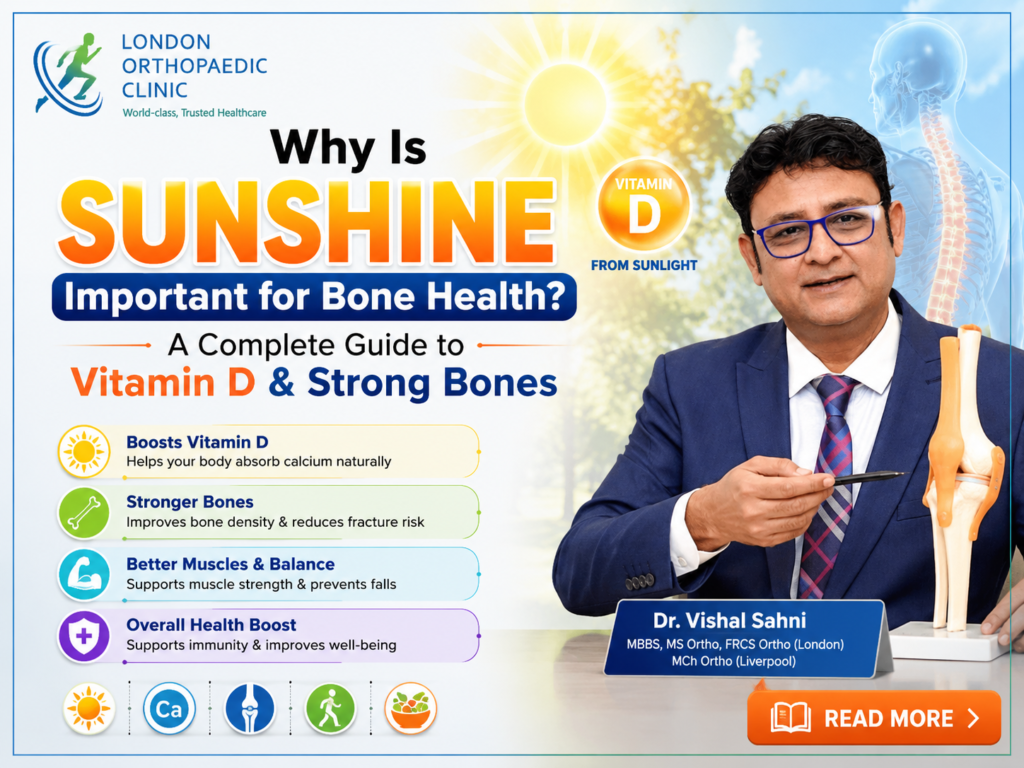
One of the easiest and most natural ways to maintain healthy bones is by getting regular exposure to sunlight. Sunshine helps your body produce Vitamin D, an essential nutrient that allows calcium to be absorbed properly and strengthens bones throughout life.
At London Orthopaedic Clinic, Nagpur, Dr. Vishal Sahni, MBBS, MS ORTHO, FRCS ORTHO (London), MCh ORTHO (Liverpool), regularly treats patients suffering from bone weakness, shoulder pain, sports injuries, elbow pain, wrist pain, and joint disorders. Many patients are surprised to learn that poor bone health caused by Vitamin D deficiency can contribute to joint pain, muscle weakness, and delayed healing after injuries.
If you are searching for the best orthopedic doctor in Nagpur, an experienced shoulder specialist in Nagpur, or an orthopedic surgeon near me, understanding the role of sunshine in bone health is the first step towards preventing future orthopedic problems.
Why Do Our Bones Need Sunshine?
Bones are living tissues that continuously break down and rebuild themselves. For this process to happen efficiently, your body requires adequate calcium and phosphorus. However, calcium alone is not enough.
Your body also needs Vitamin D, which acts like a key that unlocks calcium absorption from the food you eat. Without enough Vitamin D, most of the calcium remains unused, resulting in weaker bones over time.
Sunlight is the most natural source of Vitamin D. When sunlight, especially ultraviolet B (UVB) rays, falls on your skin, your body starts producing Vitamin D naturally. This Vitamin D is then converted into its active form by the liver and kidneys before being used by your bones.
Without sufficient sunlight exposure, the body cannot make enough Vitamin D, increasing the risk of weak bones and orthopedic problems.
What Is Vitamin D?
Vitamin D is often called the “Sunshine Vitamin” because your body produces it when your skin is exposed to sunlight.
Unlike many vitamins that come only from food, Vitamin D is mainly produced naturally through sunlight exposure.
Vitamin D helps the body by:
- Improving calcium absorption
- Helping phosphorus absorption
- Strengthening bones
- Supporting muscle function
- Improving balance and mobility
- Reducing fracture risk
- Supporting the immune system
- Helping injured bones heal faster
Vitamin D also plays an important role in maintaining healthy muscles. Weak muscles can increase the chances of falls, especially in elderly people.
Sunshine & Bone Health: What Is the Connection?
Many people ask,
“Can sunshine really make bones stronger?”
The answer is Yes.
When your body receives enough sunlight, it produces adequate Vitamin D. This Vitamin D helps calcium reach your bones where it is needed most.
Healthy bones become:
- Stronger
- Denser
- More resistant to fractures
- Better able to support joints
- Faster to recover after injuries
Strong bones also provide better support to joints like the shoulder, elbow, wrist, hip, and knee.
Patients visiting an orthopedic clinic in Nagpur often experience pain due to weak bones combined with joint disorders, arthritis, sports injuries, or tendon problems.
How Does Sunshine Reach the Bones?
Sunlight does not directly enter your bones.
Instead, the process works like this:
Step 1
Sunlight touches your skin.
Step 2
Your skin produces Vitamin D.
Step 3
Vitamin D enters your bloodstream.
Step 4
Vitamin D helps absorb calcium from your food.
Step 5
Calcium is transported into your bones.
Step 6
Bones become stronger and healthier.
This natural process happens every day when you spend sufficient time outdoors.
How Much Sunshine Should You Take?
Many people believe standing in sunlight for several hours is necessary. This is not true.
For most healthy adults in India:
- Around 15 to 30 minutes of sunlight exposure is often sufficient, depending on skin tone, season, and time of day.
- Morning sunlight is generally comfortable and easy to include in your routine.
- Midday sunlight contains more UVB rays but also has a higher risk of skin damage if exposure is prolonged.
- Expose your arms and legs whenever possible.
- Avoid remaining in intense sunlight for extended periods.
People living in cities such as Nagpur, Jabalpur, Bhopal, Raipur, Chhindwara, Seoni, Wardha, Amravati, Chandrapur, Yavatmal, and other parts of Maharashtra, Madhya Pradesh, and Chhattisgarh can generally benefit from regular outdoor sunlight throughout much of the year. However, individual needs vary, and people at risk of Vitamin D deficiency should consult their doctor for personalized advice.

What Happens If You Don’t Get Enough Sunshine?
Lack of sunlight may gradually reduce Vitamin D levels.
Low Vitamin D can lead to:
- Weak bones
- Bone pain
- Muscle weakness
- Frequent fractures
- Slow fracture healing
- Joint discomfort
- Increased risk of osteoporosis
- Fatigue
- Difficulty walking in elderly people
Children may develop rickets, where bones become soft and weak.
Adults can develop osteomalacia, a condition in which bones lose their normal hardness because they are not properly mineralised. Osteomalacia can cause deep bone pain, muscle weakness, and difficulty performing everyday activities. It often improves when Vitamin D deficiency is identified and treated appropriately.
Many patients who visit a shoulder pain doctor in Nagpur or an elbow pain doctor Nagpur for persistent pain are also evaluated for factors such as Vitamin D deficiency when clinically appropriate, because bone and muscle health can influence recovery.
Foods That Support Strong Bones Along with Sunshine
While sunshine is the best natural way to help your body make Vitamin D, eating a balanced diet is equally important. Vitamin D works together with calcium and other nutrients to build and maintain strong bones. If your diet lacks these nutrients, your bones may not get the full benefit of sunlight.
Some healthy food sources include:
Vitamin D Rich Foods
Although only a few foods naturally contain Vitamin D, these can help improve your intake:
- Fatty fish such as salmon, sardines, and mackerel
- Egg yolk
- Fortified milk
- Fortified breakfast cereals
- Fortified plant-based milk
- Mushrooms exposed to sunlight
Calcium Rich Foods
Calcium is the main mineral that gives bones their strength.
Good calcium-rich foods include:
- Milk
- Curd (Yogurt)
- Paneer
- Cheese
- Ragi
- Sesame seeds (Til)
- Almonds
- Soy products
- Green leafy vegetables such as spinach and fenugreek
- Broccoli
A healthy combination of regular sunshine, nutritious food, physical activity, and a healthy lifestyle is one of the best ways to maintain strong bones throughout life.
How to Strengthen Your Bones Naturally
Many people think bone strength depends only on calcium tablets. In reality, healthy bones require a combination of good habits.
Here are some effective ways to keep your bones strong:
Spend Time in Natural Sunlight
Regular sunlight exposure helps your body produce Vitamin D naturally.
Eat a Balanced Diet
Include foods rich in calcium, protein, Vitamin D, magnesium, and phosphorus.
Exercise Regularly
Weight-bearing exercises help bones become stronger. Activities like walking, climbing stairs, jogging, light strength training, and yoga improve bone density and muscle strength.
Maintain a Healthy Weight
Being underweight or overweight can increase pressure on joints and bones.
Avoid Smoking and Excessive Alcohol
These habits may reduce bone strength and increase the risk of fractures over time.
Get Regular Health Check-ups
People above 40 years of age, post-menopausal women, senior citizens, and patients with long-term joint pain should discuss bone health with an orthopedic specialist.
Who Is More Likely to Have Vitamin D Deficiency?
Vitamin D deficiency can affect anyone, but some people have a higher risk.
These include:
- Older adults
- Women after menopause
- People who work indoors all day
- Office employees
- Students spending long hours indoors
- Individuals who avoid sunlight completely
- People who always use full-body covering outdoors
- Patients with obesity
- People with certain digestive or kidney disorders
- Individuals recovering from fractures or orthopedic surgery
In cities like Nagpur, Jabalpur, Bhopal, Raipur, Seoni, Chhindwara, Wardha, Amravati, Chandrapur, and Yavatmal, many people have busy indoor lifestyles despite abundant sunshine. This is one reason why Vitamin D deficiency remains common across Maharashtra, Madhya Pradesh, Chhattisgarh, and other parts of Central India.
Can Sunshine Help Prevent Osteoporosis?
Yes, regular sunlight exposure plays an important role in maintaining healthy bones and reducing the risk of osteoporosis when combined with a nutritious diet and physical activity.
Osteoporosis is a condition in which bones become thin, weak, and more likely to break. It usually develops gradually and may not cause symptoms until a fracture occurs.
People with osteoporosis may experience fractures after minor falls or even simple daily activities.
Maintaining adequate Vitamin D levels helps:
- Improve calcium absorption
- Support healthy bone density
- Reduce bone loss
- Lower fracture risk
- Improve muscle strength and balance, which can help prevent falls
However, people at risk of osteoporosis should not rely only on sunshine. Medical evaluation, bone density testing (when recommended), and appropriate treatment may also be necessary.
Why Bone Health Matters After the Age of 40
As we grow older, our bones naturally lose some of their density. After the age of 40, this process becomes more noticeable.
Women, especially after menopause, experience faster bone loss because of hormonal changes.
Men can also develop weak bones as they age.
Good bone health after 40 requires:
- Daily physical activity
- Healthy eating
- Regular sunlight exposure
- Maintaining Vitamin D and calcium levels
- Medical check-ups if there is persistent bone or joint pain
Taking care of your bones today can help you stay active and independent for many years.
Bone Health and Sports Injuries
Strong bones are especially important for people who participate in sports, gym workouts, running, cycling, badminton, cricket, tennis, and other physical activities.
Healthy bones provide a solid foundation for muscles, tendons, and ligaments.
Poor bone health may increase the risk of:
- Stress fractures
- Shoulder injuries
- Wrist fractures
- Elbow injuries
- Delayed healing after accidents
- Recurrent sports injuries
If you experience persistent pain after a sports injury, consulting a sports injury doctor Nagpur is important for proper diagnosis and treatment.
Healthy Bones Support Healthy Shoulders, Elbows, and Wrists
Strong bones are essential for the normal functioning of the shoulder, elbow, and wrist joints. While conditions like rotator cuff tears or tennis elbow mainly involve soft tissues such as tendons and ligaments, good bone quality supports joint stability and recovery.
At London Orthopaedic Clinic, Dr. Vishal Sahni provides advanced diagnosis and treatment for a wide range of upper limb conditions, including:
- Shoulder pain
- Shoulder dislocation
- Shoulder arthritis
- Rotator cuff tears
- Frozen shoulder
- Sports injuries
- Tennis elbow
- Golfer’s elbow
- Elbow arthritis
- Wrist pain
- Carpal tunnel syndrome
- Trigger finger
- Ligament injuries
- Fractures around the shoulder, elbow, and wrist
Patients searching online for a shoulder specialist in Nagpur, shoulder surgeon in Nagpur, shoulder pain treatment Nagpur, shoulder joint specialist Nagpur, upper limb surgeon Nagpur, rotator cuff tear treatment Nagpur, frozen shoulder treatment Nagpur, shoulder replacement surgery Nagpur, arthroscopic shoulder surgery Nagpur, shoulder dislocation treatment Nagpur, shoulder arthritis treatment Nagpur, tennis elbow treatment Nagpur, elbow pain doctor Nagpur, wrist pain treatment Nagpur, carpal tunnel treatment Nagpur, or the best doctor for shoulder pain in Nagpur can benefit from an expert evaluation to identify the exact cause of their symptoms and receive a personalised treatment plan.
When appropriate, treatment options may include physiotherapy, medications, injections, minimally invasive procedures such as arthroscopic shoulder surgery Nagpur, minimally invasive shoulder surgery Nagpur, shoulder ligament repair surgery Nagpur, reverse shoulder replacement surgery Nagpur, elbow arthroscopy Nagpur, elbow joint replacement, or elbow joint replacement surgery, depending on the diagnosis and the patient’s needs.
Why Choose Dr. Vishal Sahni at London Orthopaedic Clinic, Nagpur?
When it comes to bone and joint health, choosing an experienced orthopedic specialist is essential.
Dr. Vishal Sahni is a highly experienced orthopedic surgeon with advanced international training.
Qualifications:
- MBBS
- MS ORTHO
- FRCS ORTHO (London)
- MCh ORTHO (Liverpool)
He specialises in advanced treatment for:
- Shoulder injuries
- Rotator cuff tears
- Frozen shoulder
- Shoulder instability and recurrent dislocation
- Shoulder arthritis
- Shoulder replacement surgery
- Reverse shoulder replacement surgery
- Tennis elbow
- Golfer’s elbow
- Wrist pain
- Carpal tunnel syndrome
- Sports injuries
- Upper limb trauma
Patients travel not only from Nagpur but also from Jabalpur, Bhopal, Raipur, Chhindwara, Seoni, Wardha, Amravati, Chandrapur, Yavatmal, and many other cities across Maharashtra, Madhya Pradesh, and Chhattisgarh for specialised orthopedic consultation and treatment.
When Should You Consult an Orthopedic Specialist?
Do not ignore symptoms such as:
- Persistent bone pain
- Shoulder pain lasting more than a few weeks
- Elbow or wrist pain affecting daily activities
- Frequent fractures
- Difficulty lifting the arm
- Joint stiffness
- Recurrent shoulder dislocation
- Weak grip strength
- Pain after sports injuries
- Delayed recovery after a fracture
Early diagnosis often leads to better treatment outcomes and helps prevent long-term complications.
Conclusion
Sunshine is one of nature’s simplest and most effective gifts for maintaining healthy bones. Regular, sensible sun exposure helps your body produce Vitamin D, which is essential for absorbing calcium, building strong bones, supporting muscles, and reducing the risk of bone disorders such as osteomalacia and osteoporosis.
However, sunshine is only one part of good bone health. A balanced diet, regular exercise, healthy lifestyle habits, and timely medical care all work together to keep your bones and joints strong.
If you are experiencing persistent shoulder, elbow, wrist, or bone pain, or if you have concerns about bone health, consult an experienced orthopedic specialist rather than ignoring the symptoms.
Dr. Vishal Sahni and the team at London Orthopaedic Clinic provide comprehensive evaluation and advanced treatment for shoulder, elbow, wrist, sports injuries, and upper limb conditions using evidence-based care tailored to each patient.
Contact London Orthopaedic Clinic
Dr. Vishal Sahni
MBBS, MS ORTHO, FRCS ORTHO (London), MCh ORTHO (Liverpool)
London Orthopaedic Clinic
Ground Floor, Berar House, Mehadia Square, Dhantoli, Nagpur, Maharashtra 440012, India
Mobile / WhatsApp: +91 95295 52938
Website:https://londonorthopaedicclinicngp.com/
Online Consultation Available
Whether you are from Nagpur, Jabalpur, Bhopal, Raipur, Seoni, Chhindwara, Wardha, Amravati, Chandrapur, Yavatmal, or anywhere in Central India, expert orthopedic care is available to help you return to an active and pain-free life.
Frequently Asked Questions (FAQs)
1. Why is sunshine important for bone health?
Sunshine helps your skin produce Vitamin D, which is essential for absorbing calcium from food. Calcium and Vitamin D work together to build strong bones, reduce the risk of fractures, and maintain healthy muscles and joints.
2. How does sunlight help the body make Vitamin D?
When your skin is exposed to sunlight, especially UVB rays, it naturally produces Vitamin D. This Vitamin D is then processed by the liver and kidneys into its active form, helping your body absorb calcium and strengthen bones.
3. How much sunlight should I get every day for healthy bones?
For many people, around 15 to 30 minutes of sunlight exposure on the arms and legs several days a week may help maintain Vitamin D levels. The exact amount depends on factors such as skin tone, season, time of day, age, and where you live. Your doctor can advise what is best for you.
4. Can I get enough Vitamin D through food alone?
Only a limited number of foods naturally contain Vitamin D. While foods like fatty fish, egg yolks, fortified milk, and mushrooms can help, sunlight remains the primary natural source for most people. Some individuals may also require supplements if recommended by their doctor.
5. What are the symptoms of Vitamin D deficiency?
Vitamin D deficiency may cause:
- Bone pain
- Muscle weakness
- Frequent tiredness
- Difficulty walking
- Increased risk of fractures
- Slow healing after bone injuries
- General body aches
Some people may not have noticeable symptoms until the deficiency becomes more severe.
6. Can lack of sunshine cause weak bones?
Yes. Insufficient sunlight can reduce Vitamin D production, making it harder for your body to absorb calcium. Over time, this can weaken bones and increase the risk of conditions such as osteomalacia in adults and osteoporosis later in life.
7. What is osteomalacia?
Osteomalacia is a condition in adults where bones become soft and weak because they are not properly mineralised, often due to Vitamin D deficiency. It can cause bone pain, muscle weakness, and difficulty with daily activities. Early diagnosis and treatment usually improve symptoms
8. What is osteoporosis?
Osteoporosis is a condition in which bones become thin, weak, and more likely to break. It is more common in older adults, especially women after menopause, but it can also affect men.
9. Can children also develop weak bones due to Vitamin D deficiency?
Yes. Severe Vitamin D deficiency in children can lead to rickets, a condition that causes soft bones, delayed growth, and bone deformities. Adequate nutrition and appropriate sunlight exposure are important for healthy bone development.
10. Which foods are good for strong bones?
Foods that support healthy bones include:
- Milk
- Curd
- Paneer
- Cheese
- Ragi
- Sesame seeds
- Green leafy vegetables
- Fatty fish
- Eggs
- Fortified milk and cereals
A balanced diet along with regular sunlight exposure helps maintain strong bones.
11. Can exercise improve bone strength?
Yes. Weight-bearing exercises such as walking, jogging, stair climbing, strength training, and yoga stimulate bone formation, improve muscle strength, and help maintain healthy bone density.
12. Who is at higher risk of Vitamin D deficiency?
People at increased risk include:
- Older adults
- Post-menopausal women
- Office workers
- People who spend most of the day indoors
- Individuals with obesity
- People recovering from fractures
- Those with certain medical conditions affecting Vitamin D absorption
13. Can Vitamin D deficiency affect recovery after fractures?
Yes. Vitamin D plays an important role in bone healing. Low Vitamin D levels may slow the healing process after fractures or orthopedic surgery. Your orthopedic specialist may recommend testing if clinically indicated.
14. Does bone health affect shoulder, elbow, and wrist problems?
Healthy bones provide support for the shoulder, elbow, and wrist joints. Good bone health can contribute to better recovery from fractures, sports injuries, and orthopedic procedures. However, many shoulder and elbow conditions also involve muscles, tendons, and ligaments, which require proper diagnosis and treatment.
15. Can sunshine cure shoulder pain?
No. Sunshine helps maintain bone health by supporting Vitamin D production, but it does not directly treat conditions such as rotator cuff tears, frozen shoulder, shoulder arthritis, or tendon injuries. Persistent shoulder pain should be evaluated by an orthopedic specialist.
16. When should I consult an orthopedic doctor for bone or joint pain?
You should consult an orthopedic specialist if you have:
- Persistent shoulder, elbow, or wrist pain
- Recurrent fractures
- Joint stiffness
- Difficulty lifting your arm
- Weak grip strength
- Bone pain lasting several weeks
- Pain after a sports injury
- Difficulty performing daily activities
Early diagnosis often leads to more effective treatment and better long-term outcomes.
17. Who is the best orthopedic doctor in Nagpur for shoulder, elbow, and wrist problems?
Dr. Vishal Sahni at London Orthopaedic Clinic, Nagpur is an experienced orthopedic surgeon with advanced training in shoulder, elbow, and wrist disorders. He provides comprehensive evaluation and treatment for rotator cuff tears, frozen shoulder, shoulder arthritis, shoulder replacement, sports injuries, tennis elbow, wrist pain, and other upper limb conditions.
18. Does London Orthopaedic Clinic provide online consultations?
Yes. London Orthopaedic Clinic offers online consultations for patients who are unable to visit the clinic in person. Patients from Nagpur, Jabalpur, Bhopal, Raipur, Chhindwara, Seoni, Wardha, Amravati, Chandrapur, Yavatmal, and other cities across Maharashtra, Madhya Pradesh, and Chhattisgarh can consult Dr. Vishal Sahni for expert orthopedic advice and treatment planning.
-
Where to Go for Dislocated Shoulder Treatment in Nagpur? A Patient’s Guide
A dislocated shoulder can be extremely painful and frightening. It usually happens when the upper arm bone comes out of the shoulder socket following a fall, accident, sports injury or sudden force. If the shoulder looks deformed, the arm cannot be moved normally, or there is severe pain after an injury, medical assessment should not…
-
Orthopaedic Specialist in Nagpur for Arm Weakness and Pain: Causes, Diagnosis & Treatment
Arm pain with weakness can make simple activities such as lifting a bag, combing your hair, dressing, reaching overhead or playing sports difficult. While many people assume the problem is only muscle pain, the actual cause may involve the shoulder joint, rotator cuff, elbow, wrist, nerves or an injury. If you are searching for an…
-
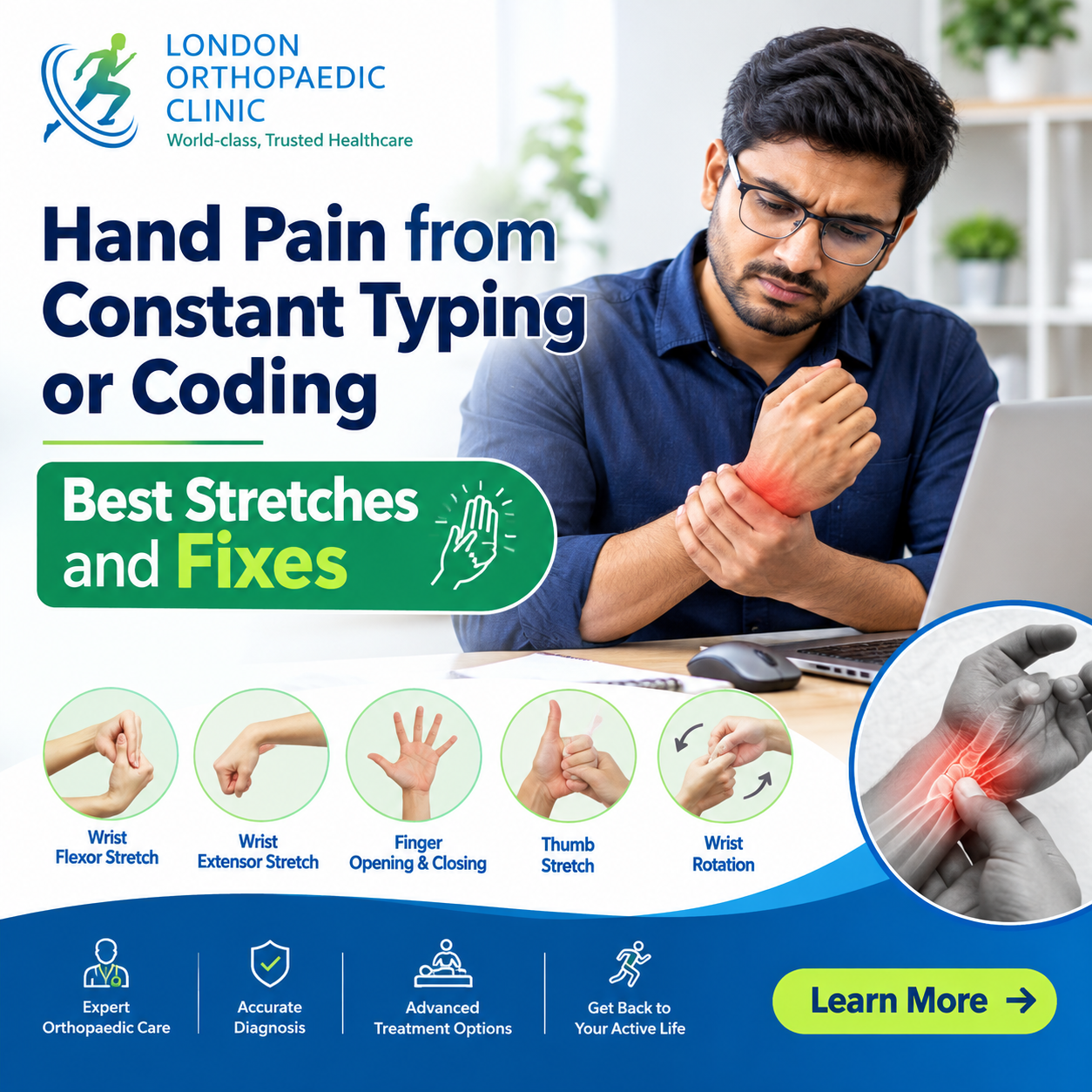
Hand Pain from Constant Typing or Coding: Best Stretches and Fixes
If you spend several hours every day typing, coding, using a mouse, designing, writing emails or working on a computer, you may gradually notice hand pain, wrist pain, finger stiffness or discomfort in the forearm. For many people, the problem starts as mild discomfort after a long working day. Over time, it may become more…