Shoulder Arthroscopy Specialist in Nagpur

Advanced Keyhole Surgery for Shoulder Pain, Rotator Cuff Tears & Shoulder Instability
Shoulder pain can significantly affect your daily activities, work performance, sleep quality and participation in sports. When conservative treatments such as medications, physiotherapy and injections fail to provide lasting relief, shoulder arthroscopy may offer an effective solution.
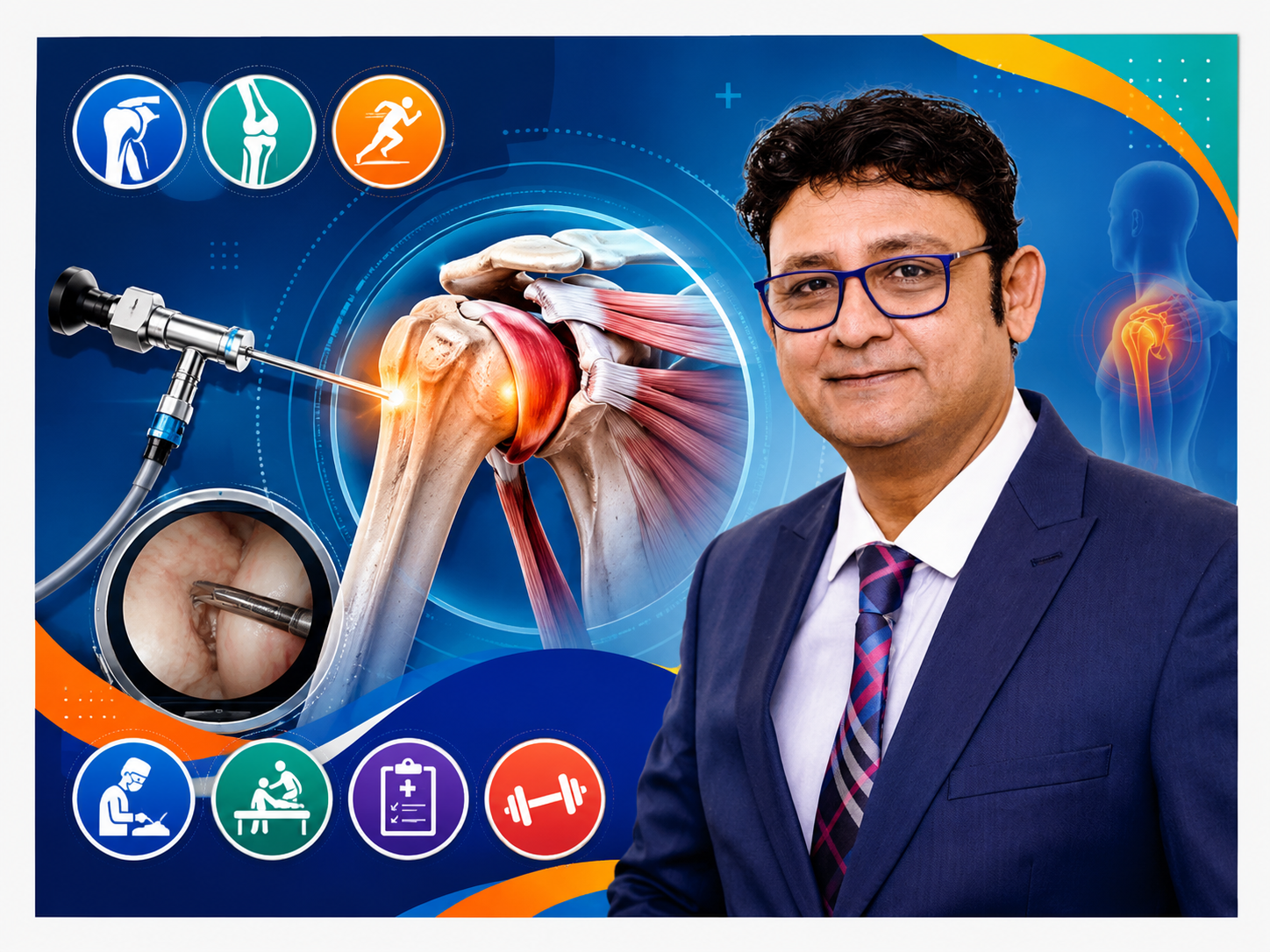
Dr. Vishal Sahni, Shoulder Surgeon at London Orthopaedic Clinic, Nagpur, specializes in advanced shoulder arthroscopy procedures for the diagnosis and treatment of various shoulder disorders using minimally invasive keyhole surgery techniques.
What is Shoulder Arthroscopy?
Shoulder arthroscopy is a modern minimally invasive surgical procedure that allows the surgeon to examine, diagnose and treat shoulder joint problems through small incisions. A tiny camera called an arthroscope is inserted into the shoulder joint, providing a magnified view of the internal structures on a monitor.
Using specialized instruments, damaged tissues can be repaired with precision while minimizing trauma to surrounding muscles and tissues.
Compared to traditional open surgery, shoulder arthroscopy generally offers less pain, smaller scars, faster recovery and improved postoperative comfort.
When Should You Consult a Shoulder Arthroscopy Specialist?
You should seek specialist evaluation if you experience:
- Persistent shoulder pain
- Difficulty lifting the arm
- Shoulder weakness
- Night pain affecting sleep
- Recurrent shoulder dislocation
- Shoulder stiffness
- Clicking or popping sensations
- Limited range of motion
- Sports-related shoulder injuries
- Failure of physiotherapy or medication treatment
Early diagnosis can prevent further damage and improve treatment outcomes.
Conditions Treated with Shoulder Arthroscopy
Rotator Cuff Tears
The rotator cuff is a group of muscles and tendons responsible for shoulder movement and stability. Tears can occur due to injury, repetitive use or age-related degeneration.
Common symptoms include:
- Shoulder pain
- Weakness while lifting
- Difficulty performing overhead activities
- Night pain
Arthroscopic rotator cuff repair allows precise tendon repair through small incisions.
Shoulder Instability and Recurrent Dislocation
Patients who experience repeated shoulder dislocations often develop instability of the shoulder joint.
Symptoms include:
- Shoulder slipping out of place
- Apprehension during movement
- Pain and weakness
- Difficulty participating in sports
Arthroscopic stabilization procedures help restore shoulder stability and reduce the risk of future dislocations.
Shoulder Impingement Syndrome
Shoulder impingement occurs when tendons become compressed during arm movement.
Symptoms may include:
- Pain while raising the arm
- Pain during sports activities
- Difficulty reaching overhead
- Weakness in the shoulder
Arthroscopic treatment can relieve pressure on affected tissues and improve shoulder function.
Frozen Shoulder
Frozen shoulder causes pain and significant stiffness, making routine activities difficult.
When non-surgical treatment fails, arthroscopic release may help restore shoulder mobility and reduce pain.
Labral Tears
The labrum is a ring of cartilage that helps stabilize the shoulder joint.
Labral injuries are common among athletes involved in:
- Cricket
- Tennis
- Badminton
- Volleyball
- Gym training
Arthroscopic repair can restore stability and function.
Biceps Tendon Disorders
Inflammation, degeneration or injury of the biceps tendon can cause persistent shoulder pain.
Shoulder arthroscopy enables accurate diagnosis and treatment of biceps-related conditions.
Diagnostic Evaluation
Accurate diagnosis is the foundation of successful treatment.
Dr. Vishal Sahni performs a detailed assessment including:
Clinical Examination
Evaluation of pain, strength, movement and joint stability.
Digital X-Rays
Used to assess bone structures and joint alignment.
MRI Scan
Provides detailed imaging of rotator cuff tendons, labrum, ligaments and cartilage.
Ultrasound Assessment
Useful for evaluating certain tendon injuries.
Based on these findings, a personalized treatment plan is recommended.
Benefits of Shoulder Arthroscopy
Shoulder arthroscopy offers several advantages over conventional open surgery:
Smaller Incisions
Only a few tiny cuts are required.
Reduced Pain
Less tissue disruption often means better comfort after surgery.
Faster Recovery
Many patients recover more quickly than with open procedures.
Minimal Scarring
Small incisions produce better cosmetic results.
Improved Visualization
High-definition arthroscopic cameras allow precise treatment.
Early Rehabilitation
Patients can begin guided rehabilitation sooner.
Make Your Appointment
Recovery After Shoulder Arthroscopy
Recovery depends on the condition treated and the procedure performed.
Immediate Postoperative Period
Most patients return home on the same day or within a short hospital stay.
Sling Support
A shoulder sling may be required for a period depending on the procedure.
Physiotherapy
Structured rehabilitation helps restore mobility, strength and shoulder function.
Return to Work
Office-based work may be resumed earlier, while physically demanding activities may require additional recovery time.
Return to Sports
Athletes are guided through a step-by-step rehabilitation program before returning to competitive activities.
Why Choose Dr. Vishal Sahni for Shoulder Arthroscopy in Nagpur?
Dedicated Shoulder Specialist
Focused expertise in shoulder disorders and upper limb surgery.
Advanced Arthroscopic Techniques
Modern minimally invasive procedures based on current surgical standards.
Personalized Treatment
Every patient receives an individualized treatment plan.
Comprehensive Care
From diagnosis and surgery to rehabilitation and long-term follow-up.
Patient-Centered Approach
Emphasis on education, informed decision-making and successful recovery.
Meet Dr. Vishal Sahni
Shoulder Arthroscopy & Sports Injury Specialist in Nagpur
Dr. Vishal Sahni is a highly experienced orthopaedic surgeon with a special interest in shoulder surgery, shoulder arthroscopy, sports injury treatment, elbow surgery, wrist surgery and hand surgery.
Education & Training
- MBBS
- MS Orthopaedics
- Advanced Training in Shoulder Surgery
- Specialized Training in Arthroscopy & Sports Injury Management
Areas of Expertise
- Shoulder Arthroscopy
- Rotator Cuff Repair
- Shoulder Dislocation Surgery
- Frozen Shoulder Treatment
- Labral Tear Treatment
- Sports Injury Management
- Elbow Surgery
- Wrist Surgery
- Hand Surgery
Clinical Experience
- More than a decade of orthopaedic practice
- Extensive experience in shoulder arthroscopy and upper limb surgery
- Treatment of sports-related injuries and traumatic conditions
Commitment to Excellence
Dr. Vishal Sahni focuses on evidence-based treatment, advanced surgical techniques and individualized patient care aimed at restoring shoulder function and improving quality of life.
Book a Consultation
If you are experiencing shoulder pain, weakness, stiffness or recurrent dislocation, early specialist evaluation can help prevent long-term joint damage and improve recovery outcomes.
Consult Dr. Vishal Sahni at London Orthopaedic Clinic, Nagpur, for expert diagnosis and advanced shoulder arthroscopy treatment.
Frequently Asked Questions (FAQs)
What is shoulder arthroscopy?
Shoulder arthroscopy is a minimally invasive keyhole surgery used to diagnose and treat shoulder problems through small incisions. A tiny camera is inserted into the shoulder joint, allowing the surgeon to view and repair damaged tissues with
Who is a shoulder arthroscopy specialist?
A shoulder arthroscopy specialist is an orthopaedic surgeon with advanced training and experience in diagnosing and treating shoulder conditions using minimally invasive arthroscopic techniques.
When is shoulder arthroscopy recommended?
Shoulder arthroscopy may be recommended when non-surgical treatments such as medications, physiotherapy and injections do not provide adequate relief. It is commonly used for rotator cuff tears, shoulder instability, frozen shoulder and labral injuries.
Shoulder arthroscopy can be used to treat:
- Rotator cuff tears
- Recurrent shoulder dislocation
- Shoulder instability
- Frozen shoulder
- Labral tears
- Shoulder impingement syndrome
- Biceps tendon injuries
- Sports-related shoulder injuries
Is shoulder arthroscopy a major surgery?
Shoulder arthroscopy is considered a minimally invasive procedure. Although it is a surgical treatment, it usually involves smaller incisions, less tissue damage and faster recovery compared to traditional open surgery.
How long does shoulder arthroscopy take?
The duration of surgery depends on the condition being treated. Most shoulder arthroscopy procedures are completed within one to two hours.
Is shoulder arthroscopy painful?
The procedure is performed under anesthesia, so patients do not feel pain during surgery. Mild to moderate discomfort after surgery is normal and is usually controlled with medications and rehabilitation.
How long does recovery take after shoulder arthroscopy?
Recovery varies depending on the procedure performed. Minor procedures may recover within a few weeks, while rotator cuff repairs and shoulder stabilization surgeries may require several months of rehabilitation.
Will I need a shoulder sling after surgery?
Many patients are advised to wear a shoulder sling for a period after surgery to protect the repair and support healing. The duration depends on the type of procedure performed.
Can shoulder arthroscopy treat recurrent shoulder dislocation?
Yes. Shoulder arthroscopy is commonly used to repair damaged ligaments and labral tears that cause recurrent shoulder dislocations and instability.
Can a rotator cuff tear be treated with shoulder arthroscopy?
Yes. Arthroscopic rotator cuff repair is one of the most common shoulder procedures and can help reduce pain, restore strength and improve shoulder function.
Is shoulder arthroscopy safe?
Shoulder arthroscopy is generally considered a safe and effective procedure when performed by an experienced shoulder surgeon. As with any surgery, potential risks and benefits will be discussed before treatment.
What are the benefits of shoulder arthroscopy?
Benefits may include:
- Smaller incisions
- Less postoperative pain
- Minimal scarring
- Faster recovery
- Reduced hospital stay
- Better visualization of the shoulder joint
Can athletes undergo shoulder arthroscopy?
Yes. Shoulder arthroscopy is frequently performed for sports-related shoulder injuries in athletes and active individuals. It helps restore shoulder stability and function, allowing a safe return to sports.
Will physiotherapy be required after shoulder arthroscopy?
Yes. Physiotherapy is an important part of recovery and helps improve shoulder movement, strength and overall function after surgery.
How soon can I return to work after shoulder arthroscopy?
Patients with desk jobs may return to work earlier, while those involved in heavy physical activities may require a longer recovery period. The timeline depends on the procedure performed and individual healing.
What are the symptoms of a rotator cuff tear?
Common symptoms include shoulder pain, weakness, difficulty lifting the arm, pain during overhead activities and discomfort while sleeping on the affected side.
What causes recurrent shoulder dislocation?
Recurrent shoulder dislocation often occurs after an initial dislocation that damages the ligaments or labrum, making the shoulder unstable and prone to slipping out again.
to work earlier, while those involved in heavy physical activities may require a longer recovery period. The timeline depends on the procedure performed and individual healing.
Can frozen shoulder be treated with arthroscopy?
Yes. In selected cases where stiffness and pain persist despite non-surgical treatment, arthroscopic release may help improve shoulder movement and reduce pain.
Where can I find a shoulder arthroscopy specialist in Nagpur?
Patients experiencing shoulder pain, rotator cuff injuries, recurrent shoulder dislocation or sports-related shoulder problems can consult Dr. Vishal Sahni at London Orthopaedic Clinic, Nagpur, for evaluation and treatment.