Childhood is full of playful moments, quick movements, sudden pulls, and energetic running around the house. While most of these moments lead to laughter, some can unexpectedly cause injuries—especially to delicate growing joints. One such common injury seen in young children is Nursemaid’s Elbow, medically known as Radial Head Subluxation. This condition occurs when a child’s elbow partially slips out of its normal position, causing immediate pain and restricted movement.
Parents often panic when their child suddenly refuses to use their arm or starts crying after a quick pull or fall. But understanding the condition, its causes, symptoms, and the right way to respond can make all the difference. With the right knowledge and timely treatment, Nursemaid’s Elbow is easily treatable and usually leaves no long-term complications.
This comprehensive guide has been written for parents, guardians, and caregivers to help them make informed decisions. It is also crafted as an educational piece for the patients of Dr. Vishal Sahni, Orthopaedic Surgeon specialising in Shoulder, Elbow, and Wrist Treatments, serving at the London Orthopedic Clinic, Nagpur.

What Is Nursemaid’s Elbow?
Nursemaid’s Elbow is a partial dislocation of the radial head, one of the bones in the elbow joint. In simpler words, the ligaments around the elbow of a small child are loose and elastic. When a sudden pull on the forearm happens, these ligaments can slip out of place, causing the bone to move slightly from its normal position.
This injury is extremely common in children between 1 to 5 years because their ligaments are still developing. While the name may sound old-fashioned, the condition is entirely modern and frequently seen in emergency rooms and orthopaedic clinics.
Nursemaid’s Elbow is not a sign of neglect or wrongdoing by parents. Even simple daily actions can cause it. What matters is awareness and timely attention.
Why Does Nursemaid’s Elbow Happen?
Children’s bones and joints are growing and are more flexible than adults. Their ligaments are softer and not fully tight. Because of this, even minor force can cause the radial head to slip.
Common everyday triggers include:
1. Sudden Pulling of the Arm
This is the most common cause. It can happen when:
- An adult pulls a child’s hand to prevent them from falling.
- Parents swing the child playfully by their hands.
- A child pulls away strongly when someone is holding their hand.
2. Lifting a Child by One Arm
Small children often ask to be picked up, and in a hurry adults may lift them by one hand or wrist. This can easily cause strain on the elbow joint.
3. Rolling Over Suddenly
Infants or toddlers may twist their arm while rolling over on the bed or during sleep, leading to ligament movement.
4. Accidental Falls
A small fall where the child lands on an outstretched arm or twists the arm can also cause the radial head to slip.
5. Sibling Play
Older siblings sometimes pull younger children by the arm during games, unknowingly causing the injury.
6. Quick Movements During Tantrums
When a child jerks away strongly while being held, the sudden force can impact the elbow.
These movements might seem harmless, but for a young child’s developing arm, they can lead to partial dislocation.
How to Identify Nursemaid’s Elbow: Key Signs Parents Must Notice
Recognising the condition early is important. Children cannot always express pain clearly, but their behaviour gives clear clues.
1. The Child Avoids Using the Affected Arm
The child may hold the arm close to the body, usually slightly bent at the elbow, and refuse to move it.
2. Sudden Crying After a Pull
If the child cried immediately after the pull or lift and then avoids arm movement, it is a strong sign.
3. No Swelling or Bruising
Unlike fractures, Nursemaid’s Elbow usually has no visible swelling or redness.
4. Painful Movement
If you try to move the child’s arm gently, they may cry in pain or resist.
5. Limp Arm Appearance
The wrist may appear turned slightly inward, and the child may keep the arm straight and hanging.
6. Child Protects the Arm
They may use the unaffected arm for everything and show discomfort when the injured arm is touched.
These signs together point strongly towards Nursemaid’s Elbow.
Is Nursemaid’s Elbow Dangerous?
The condition can be painful, but it is not dangerous when treated promptly. Orthopaedic specialists like Dr. Vishal Sahni see this frequently and perform a gentle reduction technique to place the bones back into alignment. The procedure is quick and usually provides relief within minutes.
The real concern is delay in treatment, which can prolong discomfort and lead to unnecessary fear or restricted use of the arm.
Why Is Professional Treatment Necessary?
Parents often wonder if they can “pull the arm back into place” at home, especially after watching online videos. This is not advisable. Here’s why:
1. Children’s Pain Responses Are Sensitive
Incorrect handling can worsen the situation.
2. It Could Be Another Injury
Fractures, ligament tears, or elbow infections may mimic similar symptoms. Only a specialist can confirm the diagnosis.
3. Wrong Technique Can Cause More Damage
Improper movement may injure growing bones or tissues.
4. Immediate Specialist Care Is Safe and Effective
A trained orthopaedic surgeon performs a precise, painless reduction within seconds.
5. A Complete Assessment Ensures Healthy Recovery
The doctor may check for repeated injury risk and advise strengthening guidance.
How an Orthopedic Specialist Treats Nursemaid’s Elbow
At London Orthopedic Clinic, Nagpur, treatment is done with utmost care following established clinical protocols.
1. Quick Clinical Evaluation
The doctor examines:
- How the injury occurred
- Child’s posture
- Arm movement restriction
- Pain level
- Any swelling
Usually, X-ray is not required, unless there is doubt about fracture or other complications.
2. Gentle Reduction Technique
Dr. Vishal Sahni performs a small, controlled movement of the elbow joint. This takes only a few seconds. Parents may hear a soft click, which simply indicates the bone returning to its normal place.
3. Instant Relief
Within minutes, the child starts using the arm again. Some children take up to 30 minutes to regain full movement due to initial fear or hesitation.
4. Observation
The doctor observes the child for a few minutes to ensure full recovery.
5. Guidance for Parents
Post-reduction advice helps prevent recurrence and ensures the child resumes normal activity safely.
Can Nursemaid’s Elbow Happen Again?
Unfortunately, yes. Some children have slightly looser ligaments, making them more susceptible. Repeated episodes can occur until the ligaments naturally strengthen as they grow older.
However, with proper precautions, the risk reduces significantly.
How Parents Can Prevent Nursemaid’s Elbow
Prevention is simple once parents understand the triggers.
1. Avoid Pulling the Child’s Arm
If a child is about to fall, support from under the arms instead of pulling by the hand.
2. Do Not Swing Children by the Hands
This common playful activity is a major cause of elbow injuries.
3. Lift Children Properly
Place one hand under the armpit or torso rather than tugging the wrist.
4. Teach Older Siblings
Inform them gently not to pull the younger child’s hand during play.
5. Encourage Controlled Movements
Avoid sudden jerks while dressing, carrying, or guiding the child.
6. Use Supportive Hand-Holding
Hold the child’s hand with your palm supporting their wrist, not pulling from the fingers.
7. Calm Children During Tantrums
Avoid lifting or pulling during crying and struggling, as the arm is more vulnerable at those moments.
Why Early Diagnosis Makes a Big Difference
Many parents initially think the injury will improve on its own. While some children may gradually move the arm after long intervals, most remain in pain and discomfort for hours.
Timely diagnosis ensures:
- Quick relief
- No unnecessary medication
- No long-term stiffness
- Reduced risk of further injury
- Clear guidance for prevention
Parents often feel relieved when they realise that with expert care, this condition is treatable within minutes.
The Role of a Specialist: Why Choose Dr. Vishal Sahni
Dr. Vishal Sahni is an experienced Orthopedic Surgeon specialising in Shoulder, Elbow and Wrist Conditions, with global training from London and Liverpool. His approach combines international expertise with compassionate patient care, ensuring children feel safe and comfortable during treatment.
Parents in Nagpur and nearby areas trust his clinical skills for quick diagnosis, gentle handling, and long-term prevention advice.
Understanding Your Child’s Elbow: Why It Needs Extra Care
Children’s joints are not miniature versions of adult joints. They are softer, more flexible, and still forming essential structural strength. This is why:
- The radial head is more rounded and less stable.
- Ligaments are looser.
- Joint capsules are more elastic.
These anatomical features keep children adaptable and safe during growth but also make them prone to certain injuries.
Being aware of this helps parents understand the importance of gentle handling, especially during rapid movements.
What Recovery Looks Like After Treatment
Most children regain full movement within minutes. Some may take longer due to fear, even after the joint is back in position. Parents should:
- Encourage natural movement
- Avoid forcing the arm
- Allow play when the child feels ready
There are usually no restrictions after successful reduction unless advised otherwise.
When Should Parents Seek Immediate Medical Help?
Although Nursemaid’s Elbow is common and treatable, there are certain situations where urgent care is recommended:
- Visible swelling or deformity
- Child cries in severe pain even when the arm is untouched
- The child refuses to move the arm even after several hours
- Injury accompanied by fall from height
- Suspected fracture
These conditions need expert evaluation and should not be ignored.
Long-Term Outlook: Will This Affect My Child’s Growth?
The good news is that Nursemaid’s Elbow does not affect long-term development. With age, the ligaments become stronger, and recurrence becomes rare. Most children outgrow the condition by 5–6 years.
With proper precautions and awareness, parents can ensure their child stays safe and active.
-
Severe Shoulder Pain & Arthritis: Is Shoulder Replacement the Right Option?

Shoulder pain is one of the most common problems seen in orthopaedic practice today. Many patients ignore early symptoms, thinking it is just muscle strain or age-related stiffness. However, when pain becomes severe, persistent, and starts affecting daily life, it may be a sign of shoulder arthritis or serious joint damage. If you are searching…
-
Elbow Pain in Office Workers and IT Professionals
In today’s digital world, office workers and IT professionals spend long hours working on computers, laptops, and mobile devices. While this has increased productivity, it has also led to a rise in musculoskeletal problems—especially elbow pain. Many people ignore early symptoms like mild discomfort, stiffness, or weakness. But over time, this can develop into serious…
-
Is Golfer’s Elbow Curable Without Surgery?
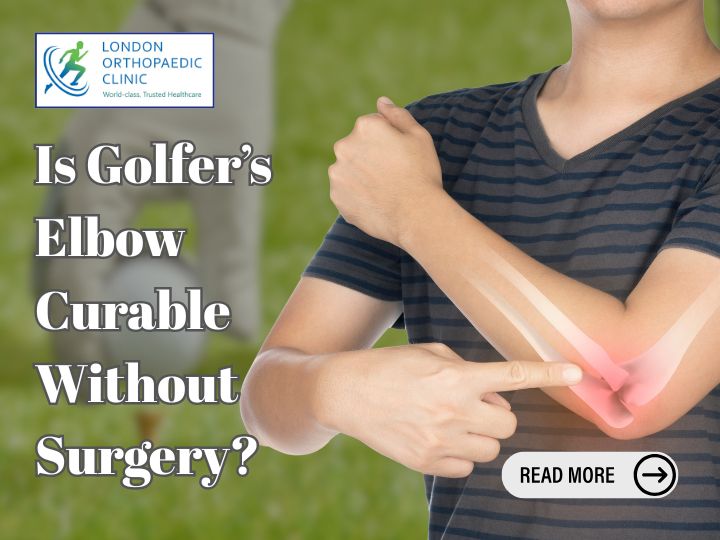
Golfer’s elbow is a common condition that causes pain and discomfort on the inner side of the elbow. Despite its name, it does not affect only golfers. Many people in daily life—office workers, manual labourers, gym users, and athletes—experience this problem. A very common question patients ask is:“Can golfer’s elbow be cured without surgery?” The…