
Shoulder pain is becoming very common in today’s lifestyle. Many people ignore it in the beginning, but when the condition becomes severe, it starts affecting daily life. Simple activities like lifting your arm, dressing, or even sleeping comfortably become difficult. In such advanced stages, shoulder joint replacement is one of the most effective and long-term treatment options.
Understanding the Shoulder Joint and Its Importance
The shoulder joint is one of the most flexible joints in the human body. It works like a ball-and-socket structure, allowing movements in different directions. This flexibility helps in performing daily tasks such as lifting, pushing, pulling, and rotating the arm.
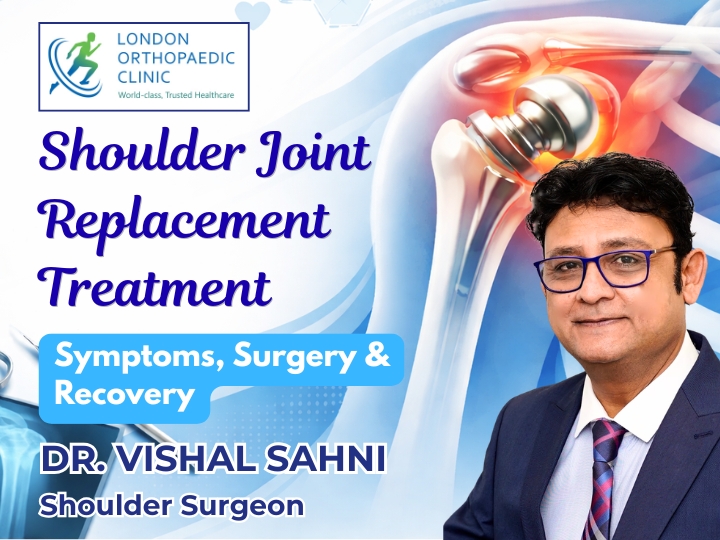
However, because of this wide range of motion, the shoulder joint is also more prone to injuries and wear and tear. When the smooth cartilage covering the bones gets damaged, it leads to pain, stiffness, and reduced movement.
Early Signs and Symptoms You Should Not Ignore
In the early stages, shoulder problems may seem minor, but they gradually become serious if untreated. Many patients ignore symptoms until the pain becomes unbearable.
Common symptoms include persistent shoulder pain, especially during movement, difficulty in lifting the arm, and stiffness in the joint. Some people experience a grinding or clicking sound while moving the shoulder. Night pain is also a common complaint, where the discomfort disturbs sleep.
As the condition worsens, the range of motion decreases, and the shoulder becomes weak. Daily activities like combing hair, reaching overhead, or carrying light objects become difficult. These signs indicate that the joint may be severely damaged and requires medical attention.
Main Causes of Shoulder Joint Damage
Shoulder joint damage can occur due to various reasons. One of the most common causes is age-related wear and tear, where the cartilage gradually wears out over time. This condition is known as osteoarthritis.
Inflammatory conditions like rheumatoid arthritis can also damage the joint by causing swelling and pain. Injuries such as fractures or repeated dislocations can lead to long-term damage if not treated properly.
Another major cause is rotator cuff tear, where the muscles supporting the shoulder get damaged, leading to instability and pain. In some cases, reduced blood supply to the bone, known as avascular necrosis, can cause the bone to collapse and damage the joint.
When Shoulder Replacement Becomes Necessary
Not every shoulder problem requires surgery. Doctors usually recommend non-surgical treatments like medicines, physiotherapy, and injections in the early stages.
However, when pain becomes severe and does not improve with these treatments, shoulder replacement surgery may be advised. It is especially recommended when the joint is badly damaged, and the patient’s quality of life is affected.
Patients who cannot perform daily activities, have severe stiffness, or experience constant pain even at rest are ideal candidates for this procedure.
Types of Shoulder Joint Replacement Procedures
Shoulder replacement surgery is not the same for every patient. The type of procedure depends on the condition of the joint and surrounding muscles.
In total shoulder replacement, both the ball and socket parts of the joint are replaced with artificial components. This is commonly done in patients with severe arthritis and intact muscles.
In reverse shoulder replacement, the position of the ball and socket is reversed. This technique is mainly used when the rotator cuff muscles are damaged and cannot support the joint.
Partial shoulder replacement is done when only the ball part of the joint is damaged, and the socket remains healthy. The choice of procedure is made after careful evaluation by the surgeon.
Step-by-Step Process of Shoulder Replacement Surgery
Before the surgery, the patient undergoes detailed examination and tests like X-rays or MRI scans. This helps in planning the procedure accurately.
During the surgery, anesthesia is given to ensure the patient does not feel pain. The surgeon makes an incision to access the joint and removes the damaged bone and cartilage. Artificial implants are then placed to recreate the joint structure.
The surgery usually takes about one to two hours. After the procedure, the incision is closed, and the patient is shifted to recovery for monitoring.
Hospital Stay and Immediate Post-Surgery Care
After shoulder replacement surgery, patients usually stay in the hospital for a few days. Pain is managed with medications, and the arm is supported using a sling.
Doctors and physiotherapists guide the patient on how to move the arm safely. Early movement is encouraged to prevent stiffness, but it is done in a controlled manner.
Proper care during this period is very important to ensure smooth healing and avoid complications.
Recovery Timeline and What to Expect
Recovery after shoulder joint replacement is gradual and requires patience. In the first few weeks, the focus is on reducing pain and starting gentle movements.
As healing progresses, physiotherapy exercises are increased to improve flexibility and strength. Most patients start noticing improvement within a few weeks.
By three months, many patients can perform daily activities comfortably. Complete recovery and full strength may take up to six months, depending on the individual’s condition and dedication to rehabilitation.
Importance of Physiotherapy in Recovery
Physiotherapy is a key part of recovery after shoulder replacement surgery. Without proper exercises, the joint may become stiff, and the results of surgery may not be optimal.
Regular physiotherapy helps in restoring movement, improving strength, and ensuring that the artificial joint functions properly. Patients are guided with specific exercises that should be done regularly at home.
Consistency in physiotherapy is one of the most important factors for successful recovery.
Benefits of Shoulder Joint Replacement
Shoulder joint replacement provides significant relief to patients suffering from chronic pain. One of the biggest benefits is long-term pain reduction.
It also improves mobility and allows patients to return to their daily activities. Many patients regain independence and can perform tasks without discomfort.
The procedure has a high success rate and greatly improves the overall quality of life.
Possible Risks and How They Are Managed
Like any surgery, shoulder replacement has some risks, but they are uncommon. These may include infection, stiffness, or issues related to the implant.
Choosing an experienced orthopedic surgeon and following proper post-surgery care significantly reduces these risks. Regular follow-up visits help in early detection and management of any complications.
About Dr. Vishal Sahni
Dr. Vishal Sahni is a highly experienced and trusted orthopedic surgeon known for his specialization in shoulder, elbow, and wrist treatments. He has completed his MBBS and MS in Orthopaedics, followed by prestigious international qualifications including FRCS Orthopaedics from London and MCh Orthopaedics from Liverpool. With strong global exposure and advanced surgical training, he brings international standards of care to patients in Nagpur.
He is well-known for his expertise in shoulder joint replacement surgery, arthroscopy, rotator cuff repair, and sports injury management. His approach focuses on accurate diagnosis, patient education, and personalized treatment planning. Dr. Sahni believes in offering the most suitable treatment—whether non-surgical or surgical—based on the patient’s condition. His commitment to patient care, use of modern techniques, and consistent successful outcomes have made him a preferred choice for orthopedic treatment.
About London Orthopaedic Clinic Nagpur
London Orthopaedic Clinic in Nagpur is a modern and advanced center dedicated to the treatment of joint and sports-related conditions. The clinic is equipped with updated technology and follows international treatment protocols to provide safe and effective care.
The clinic offers a wide range of services including shoulder replacement surgery, rotator cuff treatment, frozen shoulder management, tennis elbow treatment, wrist pain care, and sports injury rehabilitation. The focus is on providing comprehensive care—from diagnosis to recovery—under one roof.
Patients at the clinic receive personalized attention, clear guidance, and complete support throughout their treatment journey. The combination of expert care, advanced facilities, and patient-friendly approach makes the clinic a reliable destination for orthopedic treatment in Nagpur.
When You Should Consult a Shoulder Specialist
Many people delay treatment until the pain becomes severe. However, early consultation can prevent major complications.
If you have persistent shoulder pain, difficulty in movement, or symptoms that are not improving with basic treatment, it is important to seek medical advice. Timely diagnosis can help in choosing the right treatment and avoiding unnecessary suffering.
Final Thoughts on Shoulder Joint Replacement
Shoulder joint replacement is a highly effective solution for patients with severe joint damage. It not only relieves pain but also restores movement and improves quality of life.
With proper treatment, expert care, and dedicated rehabilitation, patients can return to an active and pain-free life. Ignoring symptoms for too long can worsen the condition, so it is always better to take action at the right time.
If shoulder pain is affecting your daily routine, consulting a specialist can be the first step towards recovery and a healthier future.
Frequently Asked Questions (FAQs)
What is shoulder joint replacement surgery?
Shoulder joint replacement is a surgical procedure in which the damaged parts of the shoulder joint are replaced with artificial components. These implants help reduce pain and restore smooth movement of the shoulder.
Who needs shoulder replacement surgery?
This surgery is recommended for patients who have severe shoulder pain, stiffness, and limited movement that does not improve with medicines, injections, or physiotherapy. It is commonly needed in conditions like arthritis, rotator cuff tear, or joint damage due to injury.
Is shoulder replacement surgery safe?
Yes, shoulder replacement surgery is considered safe when performed by an experienced orthopedic surgeon. Modern techniques and proper post-operative care have made this procedure highly successful with minimal complications.
How long does the surgery take?
The surgery usually takes around 1 to 2 hours. However, the total time in the hospital may be longer due to preparation and recovery after the procedure.
How many days is hospital stay required?
Most patients need to stay in the hospital for about 2 to 4 days after surgery, depending on their recovery and overall health condition.
How long does it take to recover after shoulder replacement?
Initial recovery takes a few weeks, but complete recovery may take around 3 to 6 months. Regular physiotherapy and following doctor’s advice are important for faster and better recovery.
Will I be able to use my arm normally after surgery?
Yes, most patients are able to return to normal daily activities after recovery. The surgery helps reduce pain and improves mobility, allowing better use of the arm.
Is physiotherapy necessary after shoulder replacement?
Yes, physiotherapy is a very important part of recovery. It helps in improving movement, strengthening muscles, and ensuring proper function of the new joint.
How long does a shoulder replacement implant last?
Shoulder implants usually last for 15 to 20 years or even longer, depending on the patient’s activity level and care after surgery.
What are the risks involved in shoulder replacement surgery?
Although rare, some risks include infection, stiffness, dislocation, or implant-related issues. Choosing an experienced surgeon and following proper care reduces these risks significantly.
When can I start normal daily activities after surgery?
Light activities can be started within a few weeks, but full return to normal routine usually takes around 2 to 3 months. Heavy lifting and strenuous activities should be avoided for a longer period.
Is shoulder replacement very painful?
Pain is present immediately after surgery, but it is well-controlled with medications. Over time, pain reduces significantly, and most patients experience long-term relief compared to their pre-surgery condition.
What is the success rate of shoulder replacement surgery?
Shoulder replacement surgery has a high success rate. Most patients experience significant pain relief and improved function after the procedure.
When should I consult a doctor for shoulder pain?
You should consult a doctor if your shoulder pain lasts more than a few weeks, increases over time, affects your sleep, or limits your daily activities.
Can shoulder problems be treated without surgery?
Yes, many shoulder problems can be treated with non-surgical methods like medicines, physiotherapy, and lifestyle changes. Surgery is recommended only when these treatments do not provide relief.